
GUIDE 08 – AI-POWERED SEO SERIES
A practitioner’s guide to optimizing your content for ChatGPT, Google AI Overviews, Perplexity, and Gemini. Based on real data from managing 100+ websites across India, UAE, US, and Europe for brands like Adidas, Amazon, Spotify, and other global leaders.
REGULARLY UPDATED
ADVANCED
Reality Check Before We Begin
AEO is real and growing, but it is not a replacement for SEO. Google still holds ~88% of search market share. ChatGPT delivers less than 2% of traffic for even the largest websites. This guide teaches you how to optimize for AI citation as a layer on top of strong SEO fundamentals – not instead of them.
What Is Answer Engine Optimization?
Answer Engine Optimization (AEO) is the practice of structuring your content so that AI-powered search platforms select it as a cited source when generating answers.
When someone asks ChatGPT “What CRM should a startup use?” or searches on Perplexity for “best protein powder for weight loss,” these platforms don’t show 10 blue links. They synthesize a single answer from multiple sources, and cite the ones they trust most.
AEO is about becoming one of those cited sources. Not through tricks or hacks, but by making your content structured, authoritative, and easy for machines to parse and reference.
Practitioner’s Note
“I have worked with businesses generating over $5M/month in revenue across India, UAE, US, and Europe. Not a single one gets more than 2% of their traffic from ChatGPT. The hype on social media is massively exaggerated. But that does not mean AEO is irrelevant. It means the window is open right now for early movers. The brands that build citation authority today will own AI search when it does scale.” – Apurv Singh
The Shift: Why AEO Matters Now
883M
Monthly active ChatGPT users globally (2026)
55%
Of Google searches now trigger AI Overviews
60%
Of Google searches end with zero clicks
4.4x
Higher conversion value from AI-referred visitors vs organic
The adoption gap is your opportunity. Research from Acquia shows 70% of organizations believe AEO will significantly impact their digital strategy within 1-3 years, but only 20% have started implementing it. That gap is where first-mover advantage lives.
How AI Search Actually Works (The Technical Truth)
Before you can optimize for AI search, you need to understand how these platforms actually find, evaluate, and cite content. This is where most AEO guides get it wrong. They treat all AI platforms the same. They are fundamentally different.
| Dimension | Google (Traditional) | Google AI Overviews | ChatGPT / Perplexity |
|---|---|---|---|
| Data source | Google Index (real-time crawling) | Google Index + Gemini model | Pre-trained data + Bing API for live results |
| Indexing | URL-based index | URL-based (same Google Index) | No indexing. Token-level training data |
| New content | Can rank within days | Can appear within days | Only after training update or via Bing |
| Output | Ranked list of pages | Synthesized answer with source links | Generated text with optional citations |
| How to appear | Traditional SEO | Strong SEO + structured content | Rank on Bing + brand authority + training data |
Key Insight from Session 3 – Dream SEO Masterclass
“ChatGPT does not have its own index. It relies on Bing’s API for real-time search results. So if you want to appear in ChatGPT’s live search, you need to rank on Bing first. And Bing’s ranking methodology is almost identical to Google’s. Do great SEO, and LLM visibility follows. There is no separate ‘LLM SEO checklist.’ Anyone telling you otherwise has not done the work.” – Apurv Singh
The 9-Step AEO Optimization Framework
This framework is built from working with 30+ brands across multiple geographies. Each step is actionable – you can execute it with Claude or ChatGPT, no paid tools required.
Audit Your Current AI Visibility
Before optimizing, you need a baseline. Search for your brand and your top 10 target queries across all major AI platforms. Document what appears.
| Platform | What to Search | What to Record |
|---|---|---|
| ChatGPT | Brand name + top 10 queries | Do you appear? Is info accurate? Who gets cited instead? |
| Perplexity | Same queries (inline citations visible) | Which sources are cited? Your position vs competitors |
| Google (AI Overview) | Same queries on Google | Does AI Overview appear? Are you sourced? |
| Gemini / Claude | Brand + category queries | Sentiment, accuracy, competitor mentions |
AI Prompt: “I want to audit my brand’s AI visibility. My brand is {brand name}, we sell {product/service}. Here are my top 10 target queries: {list}. For each query, tell me what format of answer an AI platform would likely generate, and what type of source it would prefer to cite.”
Structure Content for Citation (The Answer-First Format)
AI systems extract content in chunks. They pull a table, a definition, a comparison, or a direct answer paragraph. Your content needs to be structured so these chunks are clean, self-contained, and citable.
The Answer-First Rule: Lead with the answer in the first 2-3 sentences of any section. Then provide context, evidence, and depth. If you bury the answer under 5 paragraphs of introduction, AI will skip your page entirely.
| Content Element | Why AI Cites It | Example |
|---|---|---|
| Direct definition (2-3 sentences) | Clean, extractable, self-contained | “AEO is the practice of structuring content so AI platforms cite it when generating answers.” |
| Comparison table | Structured data AI can parse row-by-row | SEO vs AEO table with clear differentiators |
| Numbered list with specifics | Easy to extract as a complete answer | “The 5 signals that increase AI citation: 1. Structured data…” |
| Stat + source | Verifiable, credible, linkable | “According to Semrush, AI-referred visitors convert at 4.4x higher value” |
| FAQ with concise answers | Maps directly to question-answer queries | Q: “Is AEO replacing SEO?” A: “No. AEO is a layer on top of SEO…” |
Build Entity Authority
AI systems don’t just look at your page. They look at your brand’s presence across the web. Are you mentioned on Wikipedia? Do you have a Google Knowledge Panel? Are industry publications citing you? This is entity authority – and it is the single strongest signal for AI citation.
The Entity Checklist:
☑ Complete, accurate Google Business Profile (if applicable)
☑ Schema markup for Organization, Person (author), and BreadcrumbList
☑ Consistent NAP (name, address, phone) across all web properties
☑ Author bio pages with credentials, social links, and published work
☑ Brand mentions on Crunchbase, LinkedIn, Wikipedia (if notable)
☑ PR coverage with backlinks from authoritative publications
☑ Consistent brand voice and factual accuracy across all content
☑ Active presence on community platforms (Reddit, Quora, industry forums)
Implement Schema Markup for Machine Readability
Schema markup is one of the most underrated ranking levers in SEO, and it is even more critical for AEO. When you implement structured data, you are literally speaking the language that machines understand. Every AI platform, whether it is Google, Bing, or OpenAI, reads schema.
| Schema Type | What It Tells AI | Priority |
|---|---|---|
| Organization | Brand name, logo, contact info, social profiles | Must have |
| Article / BlogPosting | Author, publish date, headline, description | Must have |
| FAQPage | Question-answer pairs, directly mappable to AI queries | Must have |
| Product | Name, price, availability, ratings | If e-commerce |
| BreadcrumbList | Site hierarchy, page position in architecture | Must have |
| Person (Author) | Expertise, credentials, published work | Must have |
AI Prompt: “Analyze my website {URL}. List all schema types I should implement based on my content type and industry. For each, generate the complete JSON-LD code I can give to my developer.”
Make Sure GPTBot Is Not Blocked
This is the most common and most easily fixable AEO problem. Many websites unintentionally block OpenAI’s crawler through their robots.txt file. If GPTBot is blocked, OpenAI cannot discover your content, and you will never appear in ChatGPT results.
How to check: Go to yourwebsite.com/robots.txt and search for “GPTBot”. If you see Disallow: / under GPTBot, your entire site is blocked from OpenAI.
Bots you should NOT block:
• GPTBot – OpenAI’s crawler (for ChatGPT)
• PerplexityBot – Perplexity’s crawler
• Googlebot – Google’s crawler (also feeds AI Overviews)
• Bingbot – Bing’s crawler (ChatGPT uses Bing API for live search)
• ClaudeBot – Anthropic’s crawler (for Claude)
Optimize for “People Also Ask” and Question Queries
People Also Ask (PAA) is the bridge between traditional SEO and AEO. The same questions that appear in PAA boxes are the questions people ask AI chatbots. If you rank for PAA on Google, you are already building the content structure that AI platforms prefer to cite.
The process:
1. Search your top 20 target keywords on Google
2. Record every PAA question that appears
3. Group them by theme
4. Create content sections that answer each question in 2-4 sentences
5. Add FAQ schema markup to those sections
6. Link related answers back to your core product or service pages
Add EEAT Signals to Every Important Page
EEAT (Experience, Expertise, Authoritativeness, Trustworthiness) is Google’s quality guideline, but AI platforms use similar signals to decide what to cite. Content from recognized experts with first-hand experience gets cited more than generic content from unknown sources.
| EEAT Signal | How to Implement | Why AI Cares |
|---|---|---|
| Experience | First-hand case studies, real data, personal testing | Unique content AI cannot generate itself |
| Expertise | Author bio with credentials, published work, industry experience | Validates the source as credible |
| Authority | PR mentions, backlinks from industry sites, awards, speaking engagements | Third-party validation increases citation probability |
| Trust | HTTPS, privacy policy, accurate citations, transparent methodology | AI penalizes unverifiable or inaccurate content |
Disseminate Content Across Platforms
AI models are trained on the entire public web. The more places your content, data, and brand appear, the stronger your entity signal becomes. One blog post should become a YouTube video, a Reddit thread, an email, and an Instagram carousel.
This is not just about backlinks. It is about training data diversity. When OpenAI’s next training update happens, content that exists across multiple credible platforms has a higher probability of being included.
High-value platforms for AEO: Reddit (ranks well on Google, used by researchers), YouTube (second largest search engine), Medium (high domain authority), LinkedIn articles (professional credibility), Quora (question-answer format AI loves), industry-specific forums and communities.
Keep Content Fresh (The Quarterly Refresh Rule)
Research shows pages that are not refreshed quarterly are 3x more likely to lose AI citations compared to recently updated pages. Freshness is not just about Google anymore. AI platforms with live browsing capabilities actively weight recent content higher.
What counts as a meaningful refresh:
• Updating statistics with current year data
• Adding new sections based on recent developments
• Refreshing screenshots and examples
• Adding new expert quotes or case study results
• Updating comparison tables with latest pricing or features
• Removing outdated information that could hurt credibility
How to Measure AEO Success
AEO measurement is still maturing, but here are the five metrics you should track monthly:
| Metric | How to Track | Target |
|---|---|---|
| AI citation frequency | Manual audit on ChatGPT, Perplexity monthly | Increase month-over-month |
| AI-referred traffic | GA4 referral source (chatgpt.com, perplexity.ai) | Growing trend line |
| Brand search volume | Google Search Console brand queries | 15-20% quarterly growth |
| Featured snippet / AI Overview presence | Semrush SERP features report | Present for 30%+ of target queries |
| Competitive citation share | Compare your citations vs top 3 competitors | Higher share than nearest competitor |
7 AEO Mistakes That Kill Your AI Visibility
1. Burying the answer
5 paragraphs of background before the actual answer. AI will skip your page entirely.
2. Blocking GPTBot
Check your robots.txt. Many developers block AI crawlers without realizing the cost.
3. Stale content
Pages not updated in 3+ months see citations drop sharply. Freshness matters.
4. No schema markup
Without structured data, AI cannot efficiently parse your content type and context.
5. Being vague
“There are many benefits” gives AI nothing to cite. Use real numbers and specifics.
6. Copy-paste AI content
Content generated by AI and published without unique perspective will not get cited by AI. Ironic, but true.
7. Ignoring Bing
ChatGPT’s live search runs on Bing. If you are not ranking on Bing, you are invisible to ChatGPT.
Master the Complete SEO + AEO System
This guide covers the AEO execution layer. For the full 5-pillar strategic framework, including the SEO TAM Graph, Keyword Prioritization Metrics, contextual signaling, and the technical audit system, explore the Dream SEO Masterclass.
Frequently Asked Questions
Is AEO replacing SEO?
No. AEO is an additional layer on top of strong SEO fundamentals. Google still drives 88%+ of search traffic globally. AI platforms rely on the same signals, including crawlability, structured data, and content quality, that good SEO already optimizes for. The two disciplines are complementary, not competing.
Can a new website appear in ChatGPT results?
It is very unlikely for a website launched in the last 6 months to appear in ChatGPT results for high-volume queries. ChatGPT’s training data has a cutoff date, and its live search relies on Bing rankings. New websites need to build domain authority and Bing visibility first before expecting AI citation.
What is the difference between AEO and GEO?
AEO (Answer Engine Optimization) focuses specifically on getting your content cited when AI platforms answer user questions. GEO (Generative Engine Optimization) is the broader discipline that includes building deep, citable source material that generative systems can draw from. AEO is a subset of GEO focused on the answer-retrieval layer.
How long does AEO take to show results?
For Google AI Overviews, results can appear within weeks if your existing SEO is strong. For ChatGPT and Perplexity, it depends on whether your content is included in their next training update or ranks well enough on Bing to appear in live search. Expect 3-6 months for consistent citation improvements.
Do I need paid tools for AEO?
Not to start. You can audit AI visibility manually (search your queries on each platform), implement schema markup for free using schema.org and AI-generated code, and track referral traffic in GA4. Paid tools like Semrush’s AI Visibility Toolkit and Otterly.ai can automate monitoring at scale, but they are not required for execution.
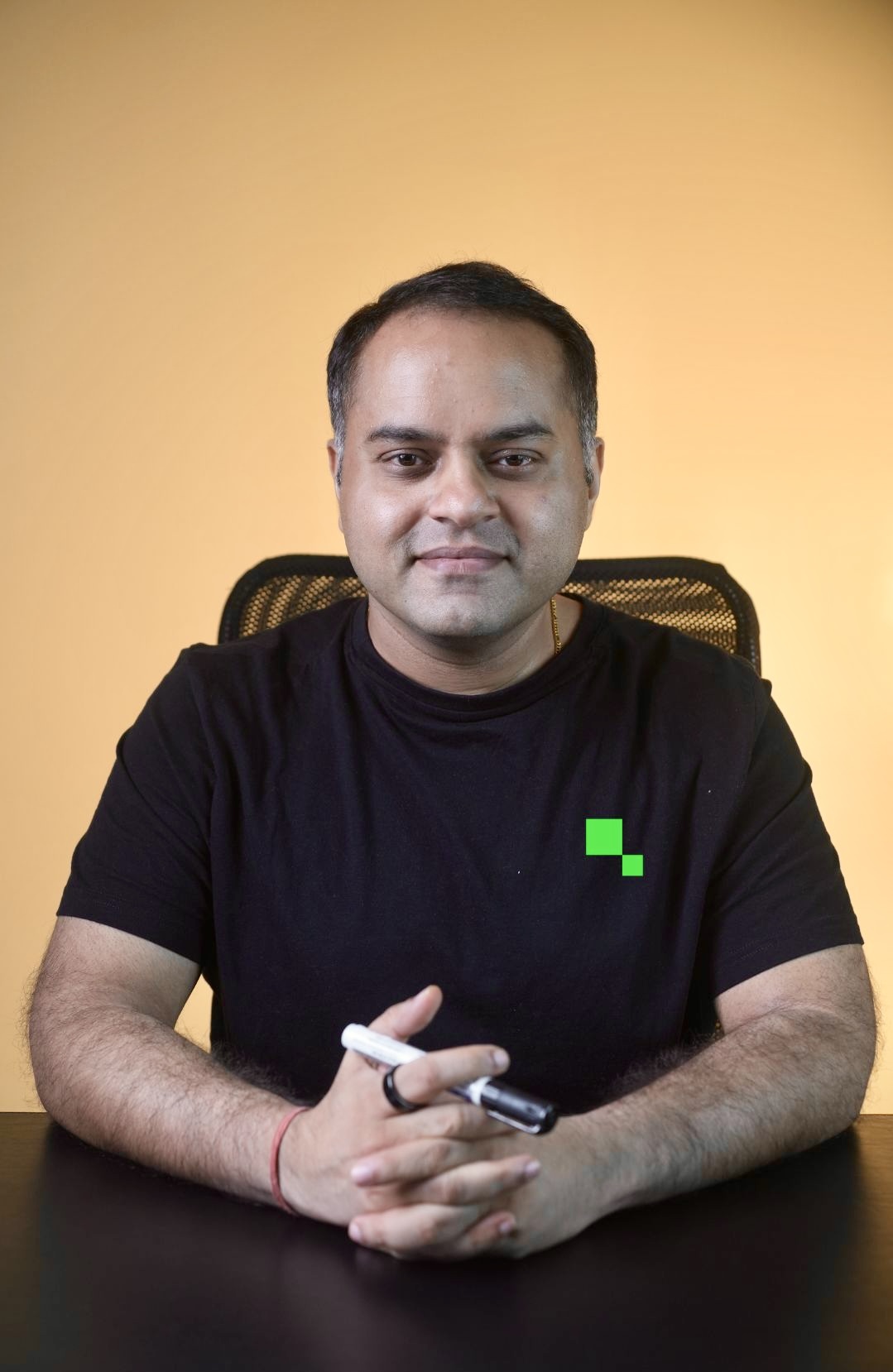
Apurv Singh
Growth Architect – HQ Digital
12+ years in digital marketing. Built SEO for a global top-10 traffic website and multiple marketplace platforms. Currently consulting for brands across India, UAE, US, and Europe – including Fortune 500 conglomerates, Reliance Brands, and D2C companies in fashion, jewelry, health, and real estate. TEDx speaker. 300K+ followers across Instagram and YouTube.
Go deeper
AEO is one layer of the bigger picture. For the full framework on getting cited by ChatGPT, Perplexity and Google AI, including how GEO differs from SEO and AEO, read the Generative Engine Optimization hub.