
The AI-First Growth Sprint
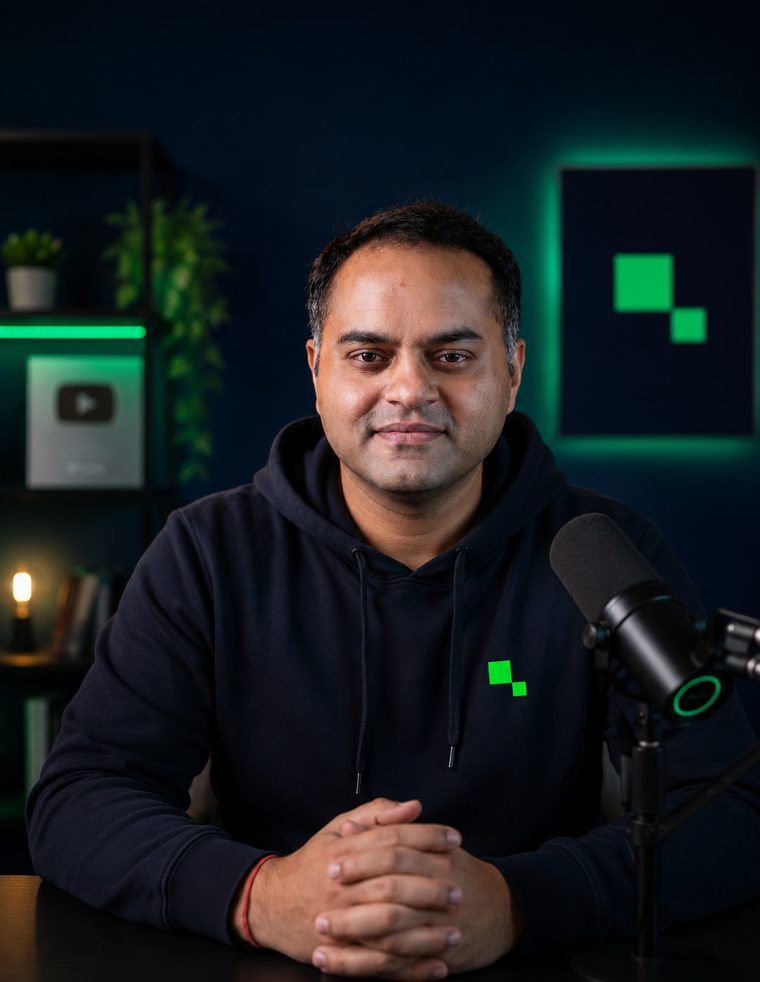
Four weeks where I own your growth engine with you, and rebuild what is holding it back.
Most founders do not come to me with a numbers problem. They come with a people problem, a structure problem, or a growth problem. Over four weeks we find which one it really is, then build the systems and the AI to fix it, alongside your team. You are left with a ninety-day plan and the systems to run it, not a deck that sits in a folder.
Most founders do not come to me with a numbers problem. They come with a people, structure or growth problem.
Apurv SinghGrowth Architect, HQ Digital
₹10,00,000 / $10,999 · 4 weeks, fixed scope
Applying is free. We get on a call first to see if it’s a fit, no payment until scope is agreed.
Apurv SinghGrowth Architect, HQ Digital
Systems built for
Godrej Properties
Reliance Brands
Aditya Birla
Amazon
Spotify
Medkart
Proof, not promises
What happens when the systems actually get built
“HQ Digital didn’t just improve our numbers. They gave me the headspace to think beyond daily operations. Prepaid ratio up from 50% to 70%. Delivery rates from 75% to 90%. We closed the year at all time high. Not a single collaboration challenge. That’s rare.”

Bhaavan RamaniSwashaa Jewellery
“Apurv is one of the best performance marketers I have worked with. He is very focused about ROI and generating business. He is a quick learner and applies his learning on a day to day basis. That makes him stand apart from others.”

Pawan SardaChief Growth Officer, Ex-Wingreens, Ex-Future Group, Ex-TATA
“Apurv is a silent force. His clarity of thought is reflected in the manner that he distills complex digital topics and explains them clearly, so that it can be understood even by laymen. He is business savvy and is an astute negotiator.”

Raunaq SharmaLead Customer Strategy & External Branding, Adani Group
Watch this first

The whole sprint, in about two minutes
If you would rather hear this from me than read the rest of the page, this covers what it solves, what the four weeks look like, and who it is not for.
Start here
Which of these sounds like you right now?
Almost every founder who sits with me is describing one of these three. Sometimes more than one at once. The sprint is the same four weeks either way. What changes is what we build.
A people problem
"I have a team, but I am not sure they can take me where I want to go."
Maybe the lead you hired is stretched past anything they have done before. Maybe the structure around them was never built. You do not necessarily want to replace anyone. You want them set up to actually win, with someone who has done it at scale shaping how they work.
→We work alongside your team, not over them, and build the skill and structure that was missing.
A structure problem
"Everyone is working, and it still does not add up to growth."
Campaigns launch, reports arrive, the agency stays busy, and yet no single system connects any of it to the outcome. The way the whole thing is organised was built for a smaller version of your business, and it has not caught up to where you are now.
→We redesign how the work flows and how decisions get made, so effort turns back into growth.
A growth problem
"We are spending more, and it is not coming back the way it should."
The budget goes in, the dashboards look busy, and the growth does not follow. Whether that is a leak you cannot find, a ceiling you keep hitting every time you scale, or a new market or product that will not take off, the money is not turning into results.
→We find exactly where growth is stalling and build the systems and AI to unblock it.
Where AI actually fits
AI is not a fourth problem. It is a large part of how we fix the other three.
Every one of those problems used to be solved the same way. Put more people on it. More hands to run the reporting, more strategists to work out what the data meant, more people guessing what to make next.
That is the part that has changed. I do not add AI because it sounds current. I build it exactly where it removes a bottleneck you are currently paying salaries to work around, so your people spend their time on judgement instead of grunt work.
Analysis that took a weeknow runs every morning before you are awake, and flags what broke instead of waiting for someone to notice.
Creative diagnosis nobody had time fornow happens on every ad, every week, at the element level. Hook, format, offer, angle.
Reporting that ate two days a monthnow writes itself, in one view of the numbers your whole team can trust.
What we build
Four layers, in the order they matter
Whichever problem you are in, the build follows the same order. You cannot decide well on a picture you cannot see, and you cannot automate a decision you have not made yet.
1
See clearly
Before anything gets fixed, someone has to hold the whole picture. I map your growth engine end to end, how the money moves, who owns what, where it leaks, so for the first time there is one honest view of what is working and what is not.
2
Decide correctly
Once the picture is clear, the gaps stop being opinions and become a list. Everything broken, missing or leaking, ranked by what it costs you every month it stays that way, so the argument about what to do first is already settled.
3
Make better
Most brands make more of whatever won last month until it stops working, then panic. We build the system that reads why an ad won (the hook, the format, the angle) and tells your team what to make next and what to stop making.
4
Run it without me
Everything above becomes agents, trackers and written SOPs sitting inside your stack, under your logins. Your team is trained on all of it in week four. If it needs me to keep running, I have built the wrong thing.
Know already this is what you need? Apply for a Sprint →
The timeline
Four weeks of building. Ninety days of compounding.
The sprint is four weeks and it has a fixed price. What it produces is a ninety-day plan, so you know exactly what you are buying, and exactly what happens after it.
Phase 1
The Sprint
Weeks 1 to 4 · ₹10,00,000 / $10,999 · fixed scope
- Week 01We pull it apartThe whole engine. People, structure, spend, accounts, creative, funnel. What is reported against what is actually true.
- Week 02We find the leaksEverything broken, missing or leaking, ranked by monthly cost, not by how interesting it is.
- Week 03We buildAgents, trackers, automations and creative systems built inside your stack. Working software, not recommendations.
- Week 04We hand overTeam training on everything built, written SOPs, and the ninety-day roadmap sequenced by impact.
Phase 2
The Ninety Days
Day 30 / 60 / 90 · run by your team, or with me
- Day 30Quick wins shippedThe fixes that need no new budget and no new headcount. Usually where the first visible movement comes from.
- Day 60Structural changes liveRebuilt structure in place, creative system producing on cadence, first controlled scale tests running.
- Day 90Scale decisions on real dataNinety days of clean numbers. You now know what to double, what to hold, and what to cut, and you can prove it.
- BeyondIt keeps runningThe systems do not expire at day ninety. They are yours, in your stack, and they keep working whether or not I am still involved.
Phase 1 is what you pay for. Phase 2 is what it is for.
Ready to put a date on week one? Apply for a Sprint →
What you keep
Everything is yours, permanently.
Whether or not we work together after week four. It lives in your accounts, under your logins, documented for the people who will actually use it.
- ✓A full map of your growth engine. Where it is working, where it is leaking, and who owns what.
- ✓A prioritised blueprint. What to fix, in what order, with the monthly cost of leaving each one alone.
- ✓A rebuilt account and campaign structure. Built to carry more budget without breaking.
- ✓A creative system. What to make next, what to stop, and the reasoning behind both.
- ✓One reconciled view of your numbers. So the whole team works from the same truth.
- ✓Working AI systems in your stack. Reporting agents, creative diagnosis, lead routing, fatigue tracking.
- ✓SOPs and a trained team. So it runs without me.
- ✓The ninety-day roadmap. Sequenced, prioritised, and costed.
Systems installed, week 3
Daily performance digest to WhatsAppLive
Creative fatigue trackerLive
Lead scoring & routingLive
Blended MER reconciliationLive
Competitor ad monitorBuilding
Blended MER, 12 weeks
Illustrative. What gets built depends on what week two finds.
After week four
Two things can happen, and both are normal
I do not ask you to decide this now, and the sprint is not priced assuming you continue. At the end of week four you will have a far better basis for this call than you do today.
Path A
Your team runs the ninety days
Everything is already in your stack under your logins, and your people have been trained on it. Plenty of brands take the roadmap and execute it themselves. That is exactly why nothing is built inside my accounts. You keep the systems, the documentation and the plan, and you owe me nothing further.
Path B
We keep going together
Some brands want me in the room while the ninety days play out. Running the roadmap, holding the team and the agency to it, extending the systems as the market moves. That becomes an ongoing engagement, scoped once we both know what the work actually is, rather than guessed at before we have started.
Investment
One price, wherever you are.
₹10,00,000
or $10,999
For the four-week sprint, including the ninety-day roadmap it produces. The same price in India, the UAE, the US or anywhere else. One currency conversion, no regional markup.
Apply for a Sprint
Applying is free. We get on a call first to see if it’s a fit, no payment until scope is agreed.
- →Fixed scope, agreed in writing before week one. It does not move mid-sprint.
- →50% on signing, 50% at week three. No delivery-linked invoice games.
- →Everything built is yours. Your accounts, your logins, documented for your team.
- →Ongoing work is optional and scoped separately. Many brands continue past the sprint. It is never a condition of it, and never priced in advance.
- →Enterprise scope (multi-brand, multi-market or multi-entity) runs ₹18 to 25 lakh.
- →I run it myself. You are not handed to an account manager after the call.
- →NDA before week one, as standard.
Not at this stage yet? HQ Club is where I share the same frameworks, systems and teardowns I use inside these sprints, for a fraction of this. Start there, and come back when the numbers are there.
Apply
Apply for a Sprint
I run a small number of sprints each quarter. The more specific you are below, the faster I can tell you whether this is a fit, and the less of your time we both spend on a call that goes nowhere.
What happens next: you will hear back within two working days. If it looks like a fit, I will send you a link to a free thirty-minute call, no payment due at this stage. If it is not, I will say so directly and point you somewhere more useful.
Apurv Singh
HQ Digital Consulting FZCO
IFZA Business Park, DDP, Dubai Silicon Oasis, Dubai, UAE
Stellarshift Consulting (P) Ltd.
Centura Square IT Park, Thane West, Maharashtra, India
IFZA Business Park, DDP, Dubai Silicon Oasis, Dubai, UAE
Stellarshift Consulting (P) Ltd.
Centura Square IT Park, Thane West, Maharashtra, India
I read every application myself. You will hear back within two working days.
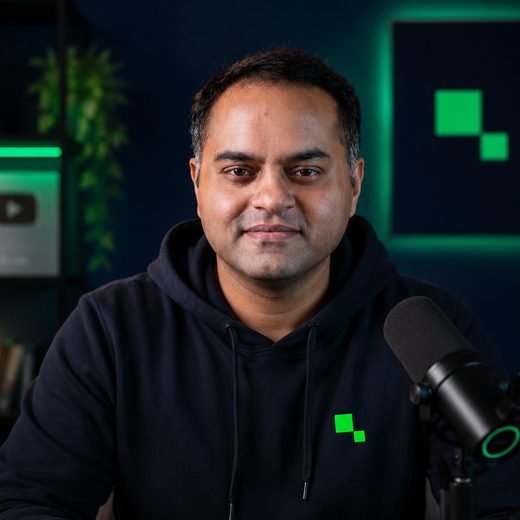
Who you would work with
I am Apurv. I run the sprint myself.
Over the last decade I have built growth systems for Godrej Properties, Reliance Brands, Aditya Birla, Amazon and Spotify, alongside a long list of D2C and service brands across India, the UAE, the US and Australia.
I teach performance marketing to around 300,000 people, I have spoken at TEDx and at Worldef in Dubai, and I publish my frameworks openly instead of keeping them behind a paywall. If you want to see how I think before you spend anything, they are all on the guides page.
I take on a small number of sprints because I am in every session of every one of them. That is the constraint, and it is deliberate.
300K+Marketers taught
10 yrsBuilding growth systems
5Markets worked in
TEDxSpeaker
Questions people ask before applying
Does applying cost me anything?
No. Applying gets you on a call with me, free, to see if this is actually a fit and to agree on scope. The 50/50 payment terms only start once we both decide to go ahead. If it is not a fit, you have lost twenty minutes, not money.
What exactly do I have after week four?
A full map of your growth engine, a prioritised blueprint, a rebuilt structure, a creative system, the AI agents and trackers running inside your stack, written SOPs, a trained team, and a sequenced ninety-day roadmap with costs attached. All of it under your logins. If we never speak again after week four, none of it stops working.
Can we work together beyond the sprint?
Yes, and a lot of brands do. Once the ninety-day roadmap exists, some want me in the room while it gets executed. Running it, holding the team and agency to it, extending the systems as things change. That is scoped after week four, when we both know what the work actually involves. What I will not do is price it in advance or make it a condition of the sprint.
Can we skip the sprint and go straight to an ongoing engagement?
No. I do not take on ongoing work without a sprint first. Without four weeks inside the business I would be guessing, and you would be paying a monthly fee for me to learn things I should already know.
Do we have to replace our team or agency for this to work?
No, and usually you should not. Most brands I work with have a team or an agency already. What is missing is someone holding the whole picture, the framework to direct them, and the systems to hold them accountable. Good people generally perform better after a sprint, because for the first time everyone is working off the same plan and the same numbers.
How do I know if we are ready for this?
It is less about size and more about complexity. If you have enough going on that a structural mistake quietly costs you money every month, the sprint pays for itself quickly. If you are still hunting for your first repeatable channel, it will not, and HQ Club is the better place to start. I would rather tell you that than take the money.
Will our team actually be able to run what you build?
Yes. Week four exists entirely for that. Everything sits in your stack with your logins, documented in SOPs, and handed over in working sessions with the people who will use it daily.
Is this only for e-commerce?
No. It works for product businesses and for service or lead-gen businesses, B2C and B2B. The diagnostic changes. The four layers do not.
What does the sprint need from us?
Access in week one, roughly two hours a week from whoever owns marketing, and one working session a week with the team that will run the systems. That is the whole ask.
Remote or on site?
Remote works for most sprints. For India and UAE engagements I will usually do week one or week four in person if you want it. Travel is billed at cost.
The AI-First Growth Sprint4-week engagement
Apply for a SprintApply Now